Inheritance Calculator
Without a will, the law determines which family members are your legal heirs. With the UNICEF Inheritance Calculator, you get an overview of who is entitled to a compulsory portion and how high your freely disposable quota is. Because with a will, you can determine how your assets should continue to have an impact.
Find out which family members are your legal heirs.
What would you like to leave in your will?
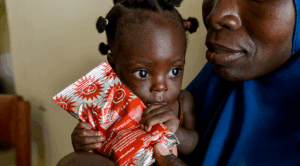
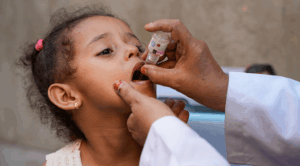
When thinking about one’s own inheritance, the focus is usually on family and loved ones. However, many also wish to do good beyond that. A bequest to UNICEF makes that possible: it helps children who most urgently need support.
Legal succession, if no will has been created.
Presentation of compulsory portions & the freely disposable quota.
Legal succession, if no will has been created.
Presentation of compulsory portions & the freely disposable quota.
Result of the UNICEF Inheritance Calculator
The result of the UNICEF Inheritance Calculator shows who your current heirs are, according to your information, if you do not leave a valid will. Please bear in mind that this result can change due to births and deaths in your family. Further down, you will find the current inheritance shares as well as the compulsory portions of individual persons.
Who is entitled to a compulsory portion?
Your spouse or registered partner, as well as your children and, in their absence, their descendants, are entitled to a compulsory portion of your estate.
The compulsory portion amounts to half of their legal inheritance claim for all heirs entitled to a compulsory portion. The chart below shows you the compulsory portions in your family and the share of your estate over which you can freely dispose – with and without a will.
Anyone who was left out of the will can demand the compulsory portion. With heirs entitled to a compulsory portion, you can also agree to a waiver of the compulsory portion or a purchase of the inheritance during their lifetime.
Only with a will can you determine what happens to your assets – whether large or small.
You can use the freely disposable share of your estate according to your wishes. For example, you can grant an heir a larger share than legally provided. You can also use the freely disposable share for friends or for a good cause, for example by considering an aid organization like UNICEF Switzerland and Liechtenstein as an heir or legatee. By donating a part of your estate to UNICEF, you support our work to help children in need all over the world. Of course, you can also designate a person or a non-profit organization as the sole heir, even if there are people with compulsory portion claims. The compulsory portions are only due if they are claimed by the omitted heirs entitled to a compulsory portion. You can find out how to correctly draw up a will and what UNICEF achieves in the event of an inheritance in our free guide, which you can order below.
Legal succession, if no will has been created.
Presentation of compulsory portions & the freely disposable quota.
More details about your heirs
Here you can find further information about the persons who, in your case, would be involved in your estate according to the legal succession.
Spouse or registered partner
Besides the direct relatives of the deceased person, spouses and registered partners are also entitled to inherit. This inheritance claim of spouses and registered partners only exists if they survive the event of inheritance. If spouses and registered partners predecease the testator, their inheritance share does not pass to the in-laws, but falls to the family of the deceased person. The inheritance right of spouses and registered partners expires with a divorce or a dissolution of the registered partnership. The registered partnership is legally equated with marriage in terms of inheritance law.
Life partner, cohabiting partner
Unregistered life partners or cohabiting partners only inherit if they have been included in the will. Keep in mind that high inheritance taxes may apply to unregistered life partners or cohabiting partners, especially since they are not fiscally privileged.
Children / grandchildren and their descendants
The heirs of the first parentela are the testator’s own children or their descendants. The older generation always inherits first. This means: as long as a child is alive, their children, i.e., your grandchildren, inherit nothing yet. Only in the case of predeceased children do the grandchildren inherit. For married couples, the estate is divided between the spouse and the heirs of the first parentela in certain shares. All heirs from the first parentela are entitled to a compulsory portion.
Mother
If there are no descendants, the heirs of the second parentela inherit. These are the parents and your siblings as well as their descendants. The principle is that the oldest living generation always inherits first. For married couples, the estate is divided between the spouse and the heirs of the second parentela in certain shares. Parents are not entitled to a compulsory portion.
Father
If there are no descendants, the heirs of the second parentela inherit. These are the parents and your siblings as well as their descendants. The principle is that the oldest living generation always inherits first. For married couples, the estate is divided between the spouse and the heirs of the second parentela in certain shares. Parents are not entitled to a compulsory portion.
Siblings / Nephews / nieces and their descendants
If there are no descendants and your parents have already passed away, your siblings inherit first. Your half-siblings inherit only from the parent from whom they descend. For married couples, the estate is divided between the spouse and the heirs of the second parentela in certain shares. Siblings are not entitled to a compulsory portion.
If there are no descendants and your parents, as well as your siblings, have predeceased you, your nieces and nephews inherit. For married couples, the estate is divided between the spouse and the heirs of the second parentela in certain shares. Nephews and nieces are not entitled to a compulsory portion.
Other relatives (grandparents, uncles, aunts, cousins, and their descendants)
If there are no heirs from the first and second parentela or these have predeceased you, the heirs of the third parentela shall inherit. The third parentela includes grandparents and their descendants. The older living generation inherits first. If the grandparents have already passed away, aunts and uncles inherit next, then cousins, and so on.
If the testator leaves behind a spouse or registered partner, the spouse or registered partner inherits the entire estate and the heirs of the third parentela receive no share of the inheritance. Heirs from the third parentela are not entitled to a compulsory portion.
If the testator has no heirs, the inheritance falls to the canton in which the testator had their last domicile, or to the municipality designated as entitled by the legislation of that canton. With a will, you can dispense with this legal succession and exclude the public authority.
Parents
If there are no descendants, the heirs of the second parentela inherit. These are the parents and your siblings as well as their descendants. The principle is that the oldest living generation always inherits first. For married couples, the estate is divided between the spouse and the heirs of the second parentela in certain shares. Parents are not entitled to a compulsory portion.
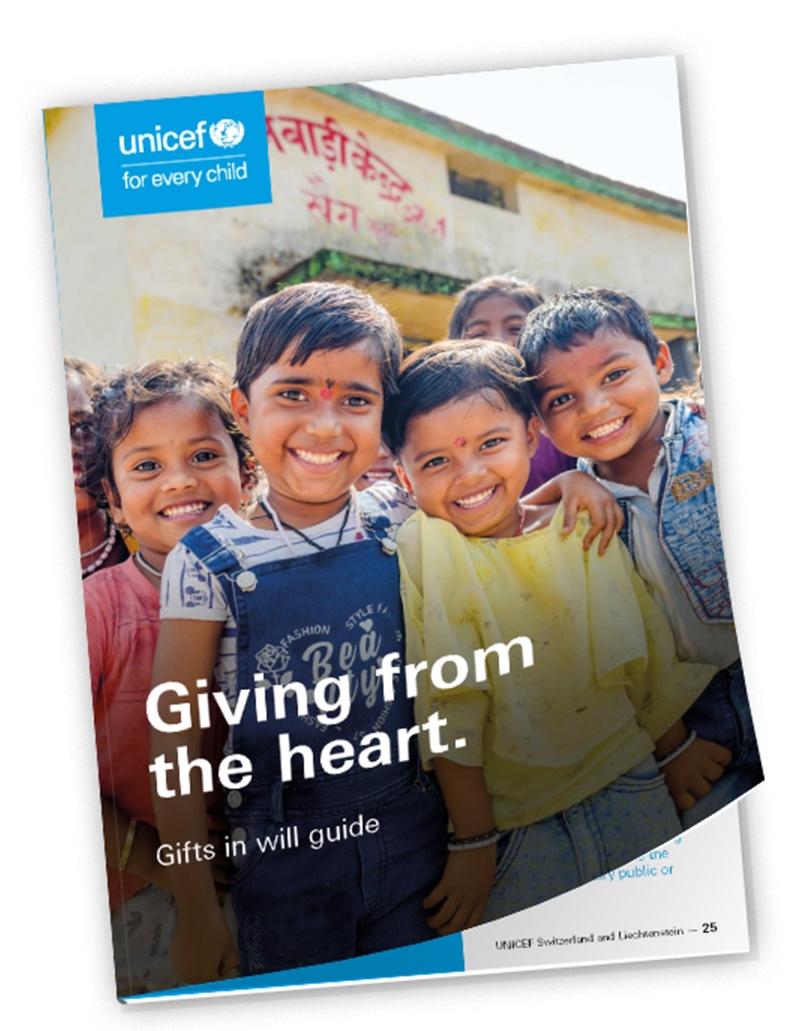
Order our Gifts in will guide now!
Use our Gifts in will Guide to learn how you can provide for your loved ones and enable a better future for children all over the world thanks to UNICEF.
You will receive a step-by-step guide for drawing up a valid will, information on the order of succession and various possibilities of bequeathing, a sample will, helpful checklists and an overview of what you can achieve by making UNICEF a beneficiary.